Second Edition · Narrative Poetry Memoir
The Pain
Sings a Song
Poems written through bipolar disorder, faith, and the long work of recovery — by Shalanda Shaw.

“Pain affects us all uniquely, but we shouldn’t stay silent. We should find our voice and choose to sing.”
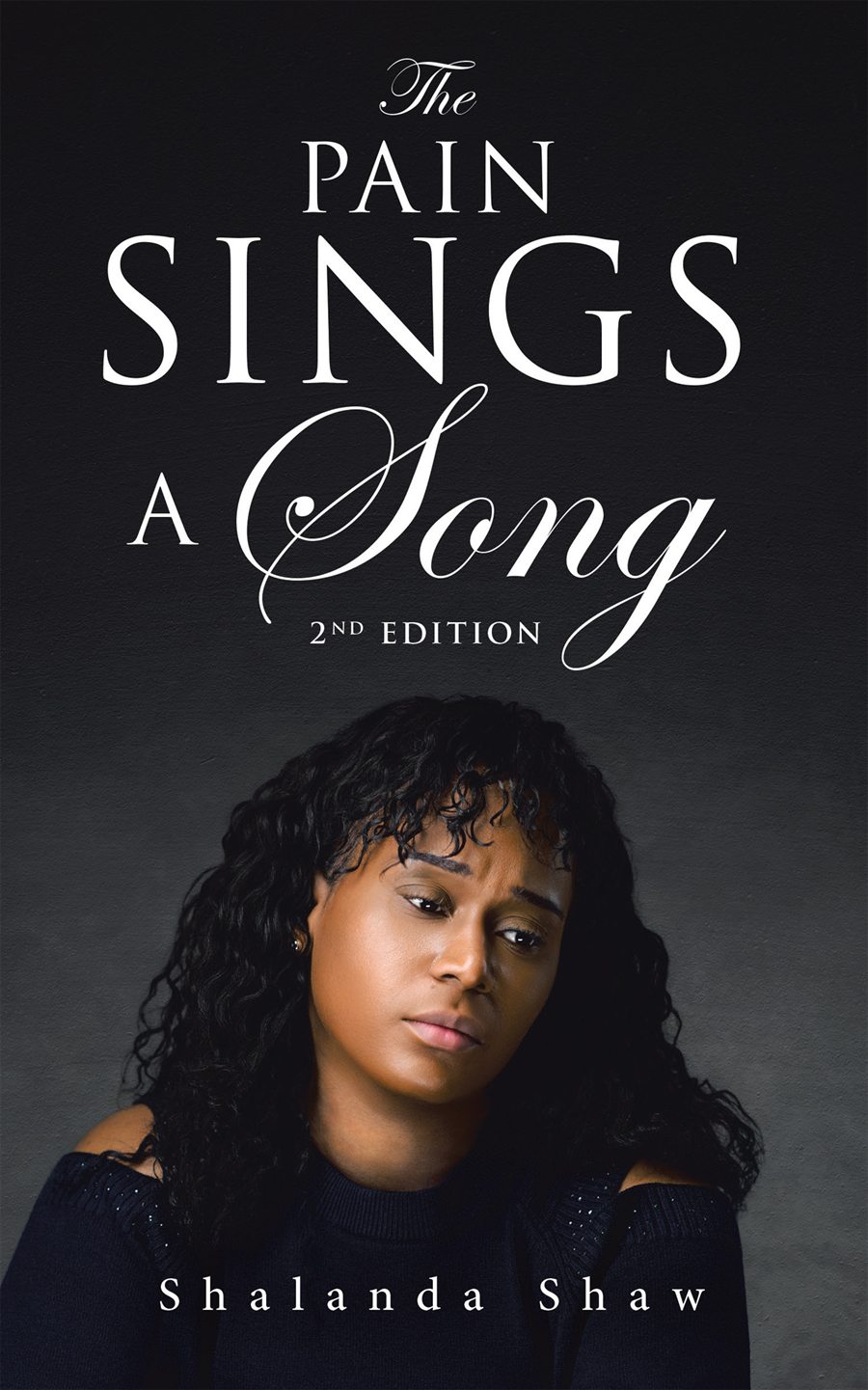
The book
The Pain Sings a Song is a seven-part narrative poetry memoir chronicling Shalanda Shaw’s path through loss, anger, despair, faith, and resilience.
In Parts One and Two, Shalanda faces identity loss and grief, starting her emotional journey.
In Parts Three and Four, she pleads for change while wrestling with hopelessness.
In Parts Five and Six, she uses anger and defiance as tools against mental illness.
In Part Seven, Shalanda’s triumph lies not in complete healing, but in regaining her voice, reflecting resilience and faith.
Seven parts
One movement each
-
Part One
Why?
Identity loss and grief, at the start of the journey.
-
Part Two
Why Not Me?
Stigma, faith, and the cycling in and out.
-
Part Three
This Is It
Depression named plainly.
-
Part Four
Inspiration
Pleading for change.
-
Part Five
Revenge
Anger and defiance turned into a daily poem.
-
Part Six
Revelation
Coping skills, support, and hope.
-
Part Seven
Transition
Not complete healing — a voice regained.
From the book · Part Five
Revenge
It sounds so magnificent, yet so bare . . . but daring. I want to get revenge on bipolar disorder for what it has done to me.
So, I smell revenge as sweet success— a poem every day, starting on August 1, 2012. I shall rise from the rubble of pain by putting it on paper.


The author
Shalanda Shaw is a writer whose work skillfully explores mental health, faith, and resilience through poetry.
During her adolescence, Shaw confronted bipolar disorder and discovered writing as a vital tool for survival rather than mere expression. Poetry became a way to translate pain into meaning and silence into language.
Born and raised in Jamaica, Shaw later moved to the United States as a teenager, an experience that deeply shaped her perspective and creative voice.
Speaking
“People, do not be afraid to advocate! Sing your pain.”
Shalanda speaks to congregations, campuses, clinical teams, and support groups about stigma, faith, coping skills, and what families can do when someone they love goes quiet.